TO THE MOON AND BACK
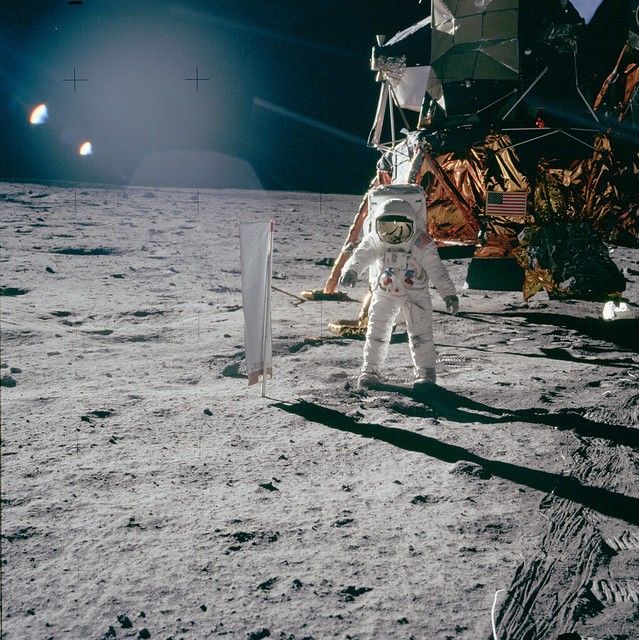
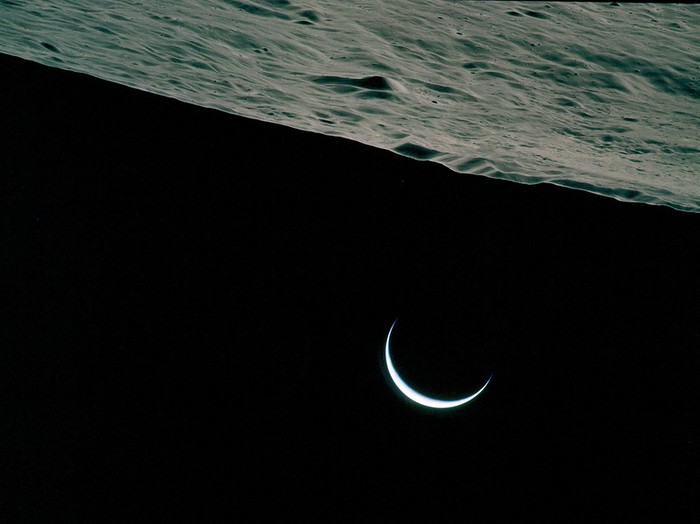
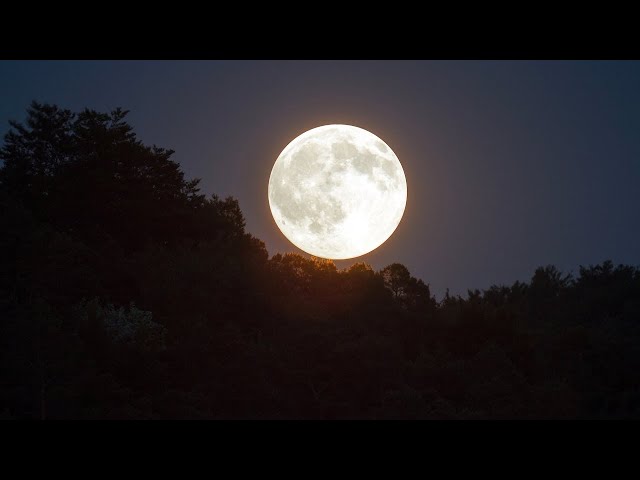
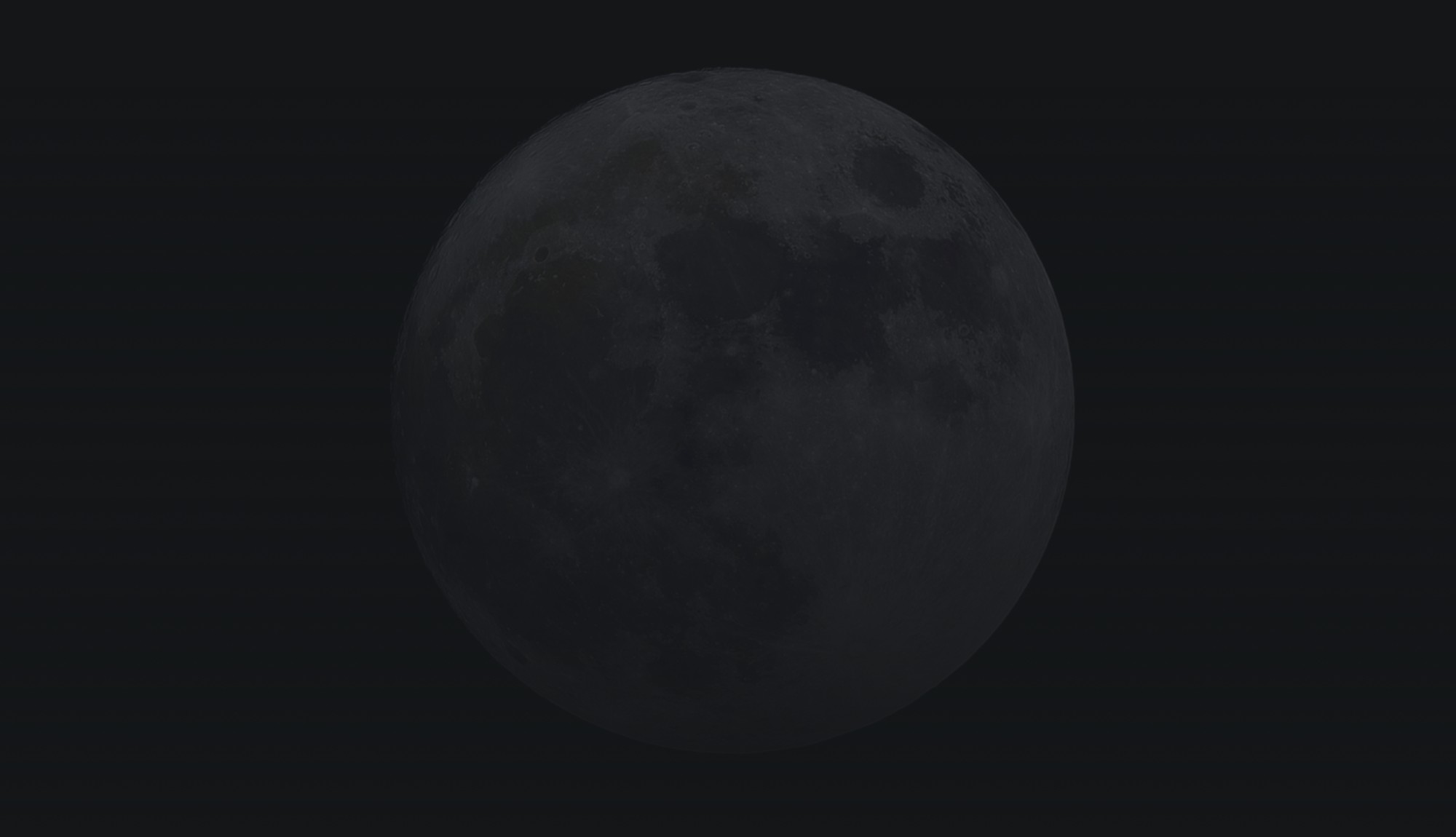
The Moon is an astronomical body orbiting Earth and is the planet's only natural satellite. It is the fifth-largest satellite in the Solar System, and by far the largest among planetary satellites relative to the size of the planet that it orbits. The Moon is, after Jupiter's satellite Io, the second-densest satellite in the Solar System among those whose densities are known.
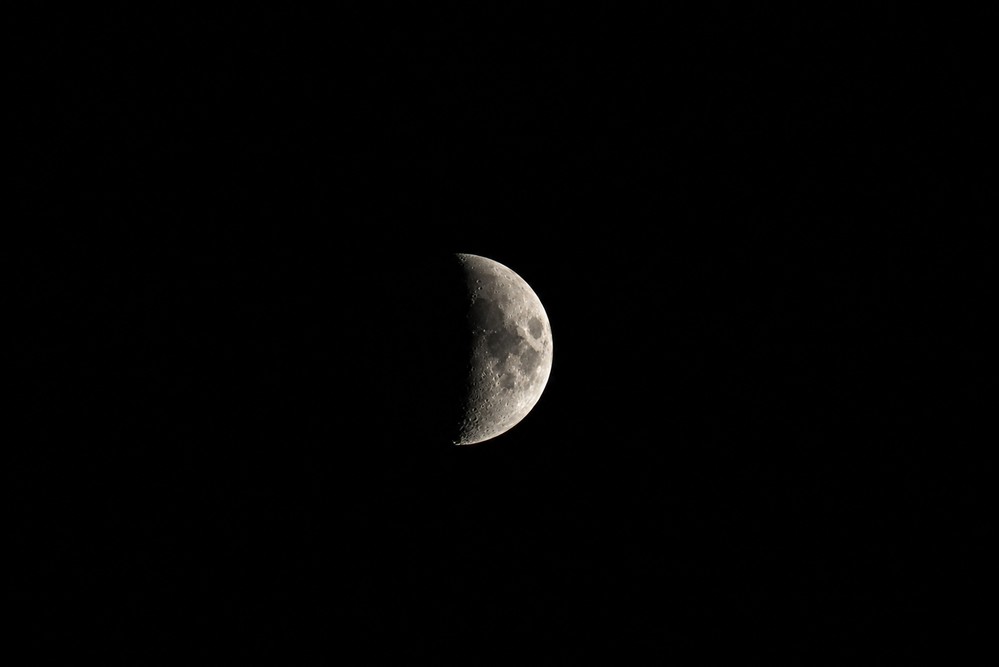
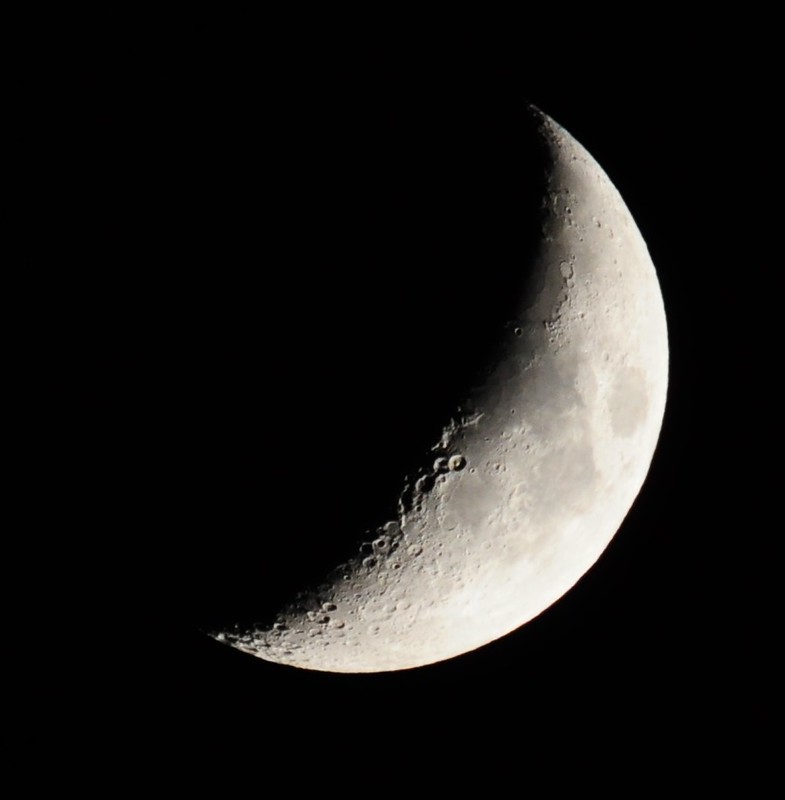
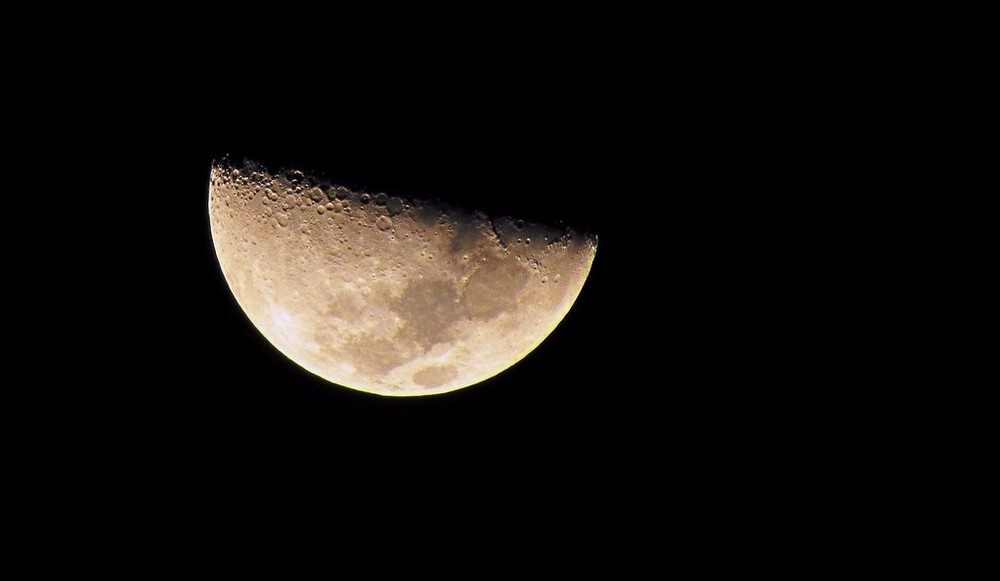
Over billions of years, the Moon has played a crucial role in shaping life on Earth by influencing ocean tides, stabilizing the planet’s axial tilt, and contributing to the natural cycles that many living organisms depend on. Its surface is covered with impact craters, vast plains of hardened lava called maria, and towering mountain ranges formed by ancient collisions with asteroids and comets. Although the Moon has no atmosphere capable of supporting life, it remains one of the most studied objects in space and continues to inspire scientific exploration, including future missions aimed at establishing a long term human presence on its surface.